
How Do YouTube and TikTok Influencers Affect Our Children?
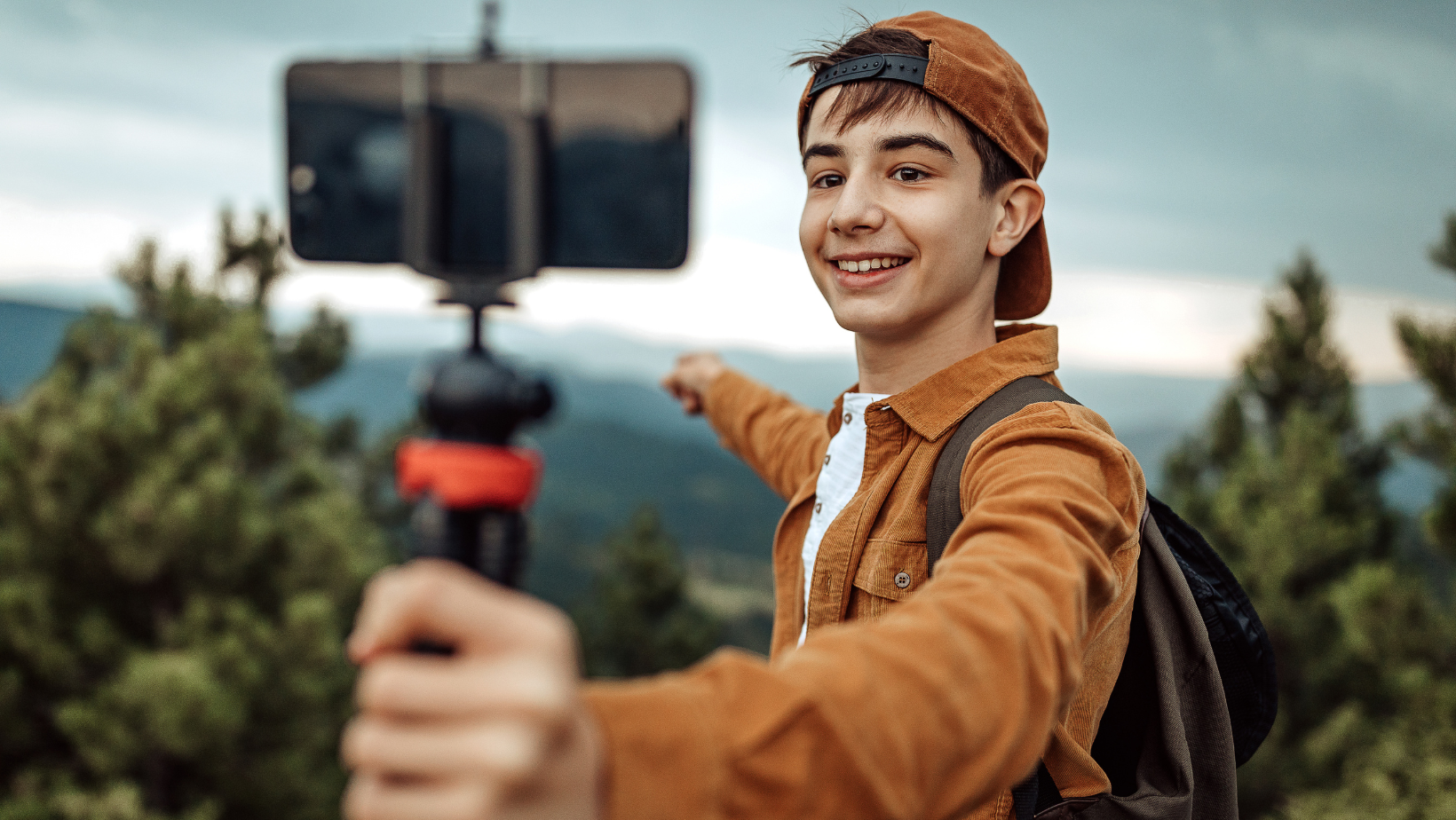
Who Is Influencing Our Children When We’re Not Watching?
By Cheryl Barnett | Co-founder of Social Kids | November 2026
I’ll admit it. There are YouTubers I simply won’t allow my son to watch. Some because of their language. Others because of the way they treat people, the things they say or their behaviour may seem funny to our kids but it’s not how the real world should work (In my opinion).
And then there are those I’m still trying to figure out!
Sometimes I sit with my son and watch. We laugh together, he explains why someone is so popular, and I get a little glimpse into his world. I still worry.
Because somewhere between the gaming videos, funny challenges and endless entertainment, our children are learning what is normal, acceptable and even worth admiring.
And sometimes, the people teaching them these things are complete strangers, doing the wrong things.
How do YouTube and TikTok influencers affect children?
YouTube and TikTok influencers can shape how children speak, behave, spend money and view themselves. Children may copy creators they admire without recognising advertising, exaggeration or unhealthy behaviour.
Research from Children and Screens explains that children can develop parasocial relationships with influencers, where they feel emotionally connected to someone who doesn’t personally know them.
Think about how well your child knows their favourite YouTuber. Their catchphrases, opinions, favourite games and even personal details about their lives.
To our children, these people can feel like friends. And that’s where things become complicated. Children are still learning to separate entertainment from reality, advertising from genuine recommendations, and popularity from credibility. When someone they admire makes fun of others, uses inappropriate language or promotes a product, they may not stop to question it.
And what children see repeatedly can start to shape what they believe is acceptable.
It’s not about banning everything
There are some fantastic creators online. People who inspire curiosity, creativity, kindness and learning. I don’t want my son to miss out on those experiences; this makes it hard to ban them. We need to do our homework as to which creator deserves a place in our children’s lives.
Sometimes saying no is necessary, especially when content is inappropriate for their age. The challenge is that banning someone doesn’t necessarily teach our children why that influence is unhealthy.
And as they get older, they will have more freedom to choose what they watch. We need to do more than control their screens; we should help them develop their own judgement.
How can parents manage the influence of YouTubers?
We don’t need to become experts on every YouTuber or TikTok trend. But we do need to stay involved.
- Watch with them, not just over them.
Take an interest in who they follow. Ask what they enjoy about a creator. You might be surprised by what you learn.
- Question the behaviour, not just the content.
If someone is being rude or unkind, ask: “Would you think that was funny if someone did it to you?”
- Help them recognise influence.
Is someone promoting a product because they genuinely love it, or because they’re being paid? Does having millions of followers make their advice trustworthy?
- Keep the door open.
Set age-appropriate boundaries, use parental controls and explain your decisions. Most importantly, make sure your child feels comfortable telling you about something they’ve seen, even if they know you might not approve.
These aren’t complicated parenting strategies.
They’re everyday conversations that help children develop critical thinking skills, empathy and confidence in their own decisions. One day, they will be watching without us.
I won’t always be sitting next to my son when he watches YouTube. I won’t always know which creators his friends are talking about or what the latest online trend is. And I certainly won’t always agree with his choices.
But I hope that the conversations we’re having now will stay with him. That he’ll recognise when someone is being unkind. That he’ll question something that doesn’t feel right. That he’ll understand the difference between being popular and being someone worth looking up to. Because ultimately, I don’t want to raise a child who simply follows the rules. I want to raise a child who understands why they matter.
And that’s why early digital education is so important.
At Social Kids, we help children develop the critical thinking, kindness and digital safety skills they’ll need as they become more independent online.
We can’t control every influence our children encounter. We can help them decide who is worth listening to. Start the conversations from a young age and watch Codey Crawler take children through the basics of digital safety from a young age.
Frequently Asked Questions
Should parents ban certain YouTubers?
Yes, when content is inappropriate or harmful. Explain the reasons behind restrictions so children learn to recognise unhealthy influences themselves.
How can I tell if an influencer is negatively affecting my child?
Look for persistent changes in language, behaviour, attitudes, spending requests or emotional wellbeing. Talk about what they’re watching before assuming online content is the cause.
How can I teach my child to think critically about influencers?
Ask who created the content, why they made it, whether they’re promoting something and whether their behaviour reflects your family’s values.
Explore our FREE Social Kids adventures and try one with your child. There’s no rush to do it all. Start with a little time together.
Research reference: Children and Screens – The Influencer Impact: A Parent’s Guide to Influencers